Introduction
Access to reliable, affordable, and clean energy is one of the most powerful drivers of sustainable development. Yet for millions of Nigerians living in rural communities — particularly in Yobe State and the broader North-East geopolitical zone — access to electricity remains limited or non-existent. This energy poverty perpetuates cycles of underdevelopment, environmental degradation, and climate vulnerability.
Renewable energy — particularly solar power — offers a transformative solution. In this article, we explore how renewable energy can improve livelihoods, protect the environment, and drive sustainable development in rural communities in Yobe State and North-East Nigeria.
The Energy Access Challenge in Yobe State
Nigeria has one of the largest electricity access deficits in the world. Despite being Africa’s largest oil producer, an estimated 85 million Nigerians — roughly 40 per cent of the population — lack access to electricity. In Yobe State and other states in North-East Nigeria, the energy access gap is even wider, with rural communities almost entirely excluded from the national grid.
In the absence of grid electricity, rural households and businesses rely on kerosene lamps, diesel generators, and firewood — energy sources that are expensive, unreliable, and harmful to both human health and the environment. The burning of firewood and charcoal contributes to deforestation and greenhouse gas emissions, accelerating the very climate change that threatens communities’ long-term survival.
Why Renewable Energy is the Right Solution for Rural Yobe State
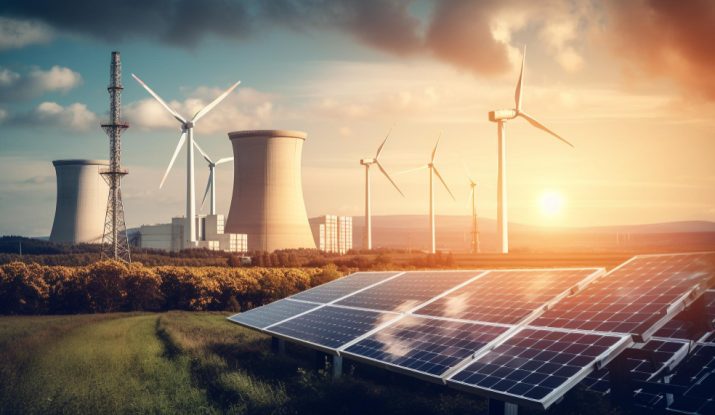
Yobe State and North-East Nigeria are exceptionally well-positioned to benefit from solar energy. The region receives among the highest levels of solar irradiation in Nigeria, making solar power a naturally abundant and cost-effective energy resource. Key reasons why renewable energy is the right solution for rural communities in Yobe State include:
- High Solar Resource: Yobe State receives abundant sunshine throughout the year, making solar PV systems highly efficient and cost-effective.
- Off-Grid Viability: Decentralised solar systems — including solar home systems, mini-grids, and solar lanterns — can deliver energy to remote communities without requiring connection to the national grid.
- Falling Costs: The global cost of solar energy has fallen dramatically over the past decade, making solar technology increasingly accessible for low-income communities.
- Environmental Benefits: Solar energy produces no greenhouse gas emissions during operation, reducing communities’ carbon footprint and contributing to climate change mitigation.
- Resilience Benefits: Decentralised renewable energy systems are more resilient to grid failures and fuel supply disruptions, which are common in North-East Nigeria.
How Renewable Energy Transforms Rural Communities
1. Improving Household Health and Wellbeing
Replacing kerosene lamps and wood fires with solar-powered lighting dramatically improves indoor air quality and reduces the health risks associated with smoke inhalation. Solar lighting also enables children to study after dark, improving educational outcomes. Clean cooking technologies — including improved cookstoves and biogas systems — reduce smoke-related respiratory illnesses, which disproportionately affect women and young children.
2. Supporting Agricultural Productivity
Solar-powered irrigation systems enable farmers to water their crops even during dry seasons, reducing their dependence on erratic rainfall and extending the growing season. Solar-powered cold storage solutions help farmers preserve their produce after harvest, reducing post-harvest losses and improving incomes. These technologies are particularly valuable in Yobe State, where agriculture is the primary source of livelihood for the majority of the population.
3. Powering Small and Medium Enterprises
Reliable electricity is a prerequisite for economic growth. Solar energy enables small and medium enterprises — including tailors, welders, barbers, and food processors — to operate more productively and profitably. By reducing the cost and unreliability of energy, renewable energy supports the growth of local economies and creates new employment opportunities in rural communities across Yobe State.
4. Strengthening Healthcare and Education
Solar energy enables health facilities to power medical equipment, refrigerate vaccines, and operate safely after dark. Schools equipped with solar power can use computers, projectors, and other educational technologies that dramatically improve learning outcomes. In communities where health facilities and schools have historically operated without reliable power, solar energy is genuinely life-changing.
5. Reducing Deforestation and Environmental Degradation
A significant proportion of North-East Nigeria’s deforestation is driven by demand for firewood and charcoal for cooking and heating. Replacing biomass fuels with clean energy alternatives reduces pressure on forests and vegetation, helping to reverse desertification and protect biodiversity. This is a critical co-benefit of renewable energy programmes in climate-vulnerable regions like Yobe State.
Barriers to Renewable Energy Access in Yobe State
Despite its enormous potential, renewable energy uptake in rural Yobe State faces significant barriers:
- High upfront costs of solar equipment, which are out of reach for many low-income households
- Limited access to financing and credit for rural households and small businesses
- Lack of technical skills for installation, operation, and maintenance of solar systems
- Limited awareness of renewable energy options and their benefits
- Security challenges in parts of North-East Nigeria that limit access for service providers
CIIF’s Approach to Expanding Renewable Energy Access
The Climate Impact Innovation Foundation (CIIF) is committed to expanding access to clean and sustainable energy solutions for underserved communities in Yobe State and North-East Nigeria. Our renewable energy initiatives combine technology access, community training, and policy advocacy to address barriers and deliver lasting impact.
We work with communities, local governments, and development partners to design and implement renewable energy projects that are technically sound, financially sustainable, and responsive to community needs. By integrating renewable energy with livelihoods support and climate education, CIIF’s programmes deliver multiple benefits that contribute to both sustainable development and climate resilience.
Conclusion
Renewable energy is not just a climate solution — it is a development solution. For rural communities in Yobe State and North-East Nigeria, access to clean energy can transform livelihoods, improve health and education outcomes, protect the environment, and build long-term climate resilience.
The transition to renewable energy in rural Nigeria will not happen automatically. It requires deliberate investment, strong partnerships, innovative financing, and sustained community engagement. CIIF is committed to being part of this transformative effort — and we invite governments, development partners, investors, and communities to join us.
Partner with CIIF on renewable energy initiatives at ciif.org.ng